Stuart Mason, founder of Here’s How To, talks about the importance of having the correct business mindset.
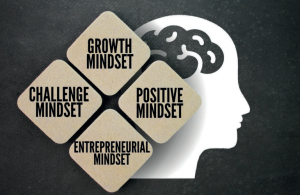 When someone says mindset, many roll their eyes? However, consider mindset not as nonsense, but the operating system in your head.
Let’s get something straight: Most small business owners don’t wake up in the morning thinking, ‘ooh, let me align my chakras before I quote that big print job.’ More likely, you’re thinking, ‘why has Dave not turned up again?’ Or ‘how am I supposed to get all this done before Friday?’
Here’s a practical, streetwise look at mindset, something you can actually use.
1. Mindset is just the way you think when no one’s watching
Let’s start simple: Mindset is basically the default setting you operate from when things get messy.
- When a customer complains, do you instantly think: Here we go again, everyone’s out to get me?
- When a job goes well, do you shrug and think: Yeah, but it’ll probably go wrong next week?
- When you look at your bank account, do you feel dread before you even open the app?
These aren’t personality traits. They’re patterns. Patterns you can change, without needing a spiritual awakening. They change if you want them
to change. If you want your business to run better, you need your head to run better. That’s all mindset is. Now tell me you don’t want a bit of that.
2. The three most common mindset mistakes (and how they quietly wreck you business)
Mistake 1: Running on ‘head down, crack on’ mode 24/7. This is the British small business owner’s favourite. When things get tough, you work harder.
Then a bit more. Then you burn out, snap at someone, or forget why you started the business in the first place. Does that sound familiar?
Fix: Build a weekly ‘power hour’. Just 60 minutes where you step away from the tools or the laptop and ask: What’s working, what’s not, what needs
fixing and what needs ditching. That one hour of thinking saves ten hours of firefighting. That’s why I always call it a ‘power hour.’ Try it, but it needs to be 100% focussed. Mistake 2: Believing you must do everything yourself.
This is the ‘no one can do it as well as I can’ disease. Common symptoms include: never delegating, moaning you’re too busy, secretly loving being the hero, running a business that depends entirely on you. This mindset caps your growth. You have also built a business that will never scale and never sell.
Fix: Delegate one thing a week. Start small: invoicing, callbacks, ordering materials. You don’t need to build a team overnight, just stop being the bottleneck.
Mistake 3: Letting fear drive decisions. You might not call it fear. You have superb ways to hide it. You’ll call it: ‘being realistic’, ‘not wanting to take risks’, and ‘making sure the bills get paid’. But fear-based decisions usually look like under-pricing, not raising your rates, taking on nightmare clients, hiring too late and staying stuck.
Fix: Use the 10% Rule. If something scares you, but you know it’s good for the business, raise the price, hire the person, launch the service, just do it
in a small way first.
3. The mindset of someone who actually builds a solid business
You need five practical mental habits.
Habit 1: Act like the owner, not the employee. Business owners make decisions based on systems, profitability, capacity and long-term plans. Employees think: ‘What’s the quickest way to get through today?’ Every morning, ask: ‘What does the owner of my business need to do today?’
It’s a different answer than ‘What’s on fire?’
Habit 2: Stop tolerating nonsense; you get what you tolerate. Your business is partly shaped by what you allow, such as clients who always pay late, staff who always arrive late, suppliers who always deliver late, family members who think you’re ‘just self-employed’. Good business mindset is about boundaries. Set them. Stick to them. Watch how fast life improves.
Habit 3: Invest in your skills the way you invest in equipment. You’re unlikely to print colour brochures on a single colour press, yet many business owners run their thinking on old wiring: outdated beliefs, poor habits, and scrappy planning. Training, coaching, reading, courses, these aren’t luxuries. They’re upgrades. And they pay off faster than new kit.
Habit 4: Choose progress over perfection. Perfection is a trap that leads to procrastination. Progress leads to growth. Perfection is the enemy of progress. You don’t need the perfect: website, logo, service package, CRM and team.
You just need the next version. Then the next. It’s this drive towards continuous improvement that works, not the ‘waiting’ for perfection.
Habit 5: Talk to yourself better. No, not in the mirror. Just internally. If your default setting is: ‘I’m useless at this’, ‘I’ll never get on top of this’, ‘other businesses are doing better than me’, and this one is a killer in the graphics industry is ‘clients only care about price’, then your business will reflect that.
Try swapping the script to: ‘I can figure it out’, ‘lets find a better way’, and ‘not every job is meant for me’. Tiny shift. Huge impact.
4. Practical mindset tools you can use this week… in fact right now
Let’s keep this grounded and streetwise.
Tool 1: The ‘what’s the real problem?’ question. Before you react emotionally, ask: ‘What’s actually happening here?’. Nine times out of 10, the real issue isn’t the surface issue. For example, staff member is late again, means the real problem is that you don’t have a written lateness policy. Or if you resent your pricing, that means you have not raised rates in two years.
Tool 2: The one-minute reset. When you’re stressed, overwhelmed, or about to say something you’ll regret, stop and ask: What’s the priority? What can wait? What doesn’t matter? You’ll be shocked how quickly your brain calms down with those three questions. Your subconscious mind reacts, your ‘logical mind’ needs time to think; give it time to do that.
Tool 3: The victory list. Every Friday, write down three wins from the week. Big, small, or ridiculous, they could be you finished a job before schedule, raised your prices or didn’t throttle a difficult customer. It rewires your brain to notice progress; we need reminded of the ‘wins’.
5. The real reason mindset matters (even if you hate the word)
Here’s the truth most people won’t say, running a business is mentally hard. Not occasionally. Not when things go wrong. Always. You wear 15 hats, make 10 decisions before breakfast, and shoulder pressure that employees will never understand.
Mindset isn’t about becoming a different person. It’s about giving yourself the mental tools to keep going without falling apart. If you want to: earn more, work less, grow, hire, systemise, sell the business one day; your head needs to be in the right place long before your processes are.