Moss Group urges the need for collaboration to achieve sustainability
“At Moss, sustainability is more than just a buzzword, it’s the guiding principle behind all we do. Every decision is made with an eye on reducing our environmental impact. But our focus isn’t solely on our own practices. We believe that meaningful progress in sustainability can only be achieved if the industry works together, sharing insights and learning from each other.” So says Moss Group UK operations director Mark Rose.
He continues: “Over the past few years, we’ve made significant strides in reducing our environmental impact, and it’s something we’re really proud of. We’ve managed to cut our carbon emissions by 16% per square metre, which is a step towards our long-term goal of reaching net zero by 2030.
“This achievement is the result of many small, deliberate changes, from energy efficiency improvements to smarter use of materials. For example, we’ve transitioned to 100% renewable energy sources, and our investments in advanced printing technology like the swissQprint Nyala and Durst P5 500 printers have allowed us to lower our energy consumption significantly. These printers not only support more complex projects and handle larger volumes more efficiently, but they also reduce ink consumption and lead times, without compromising on quality.
“A key focus area has been our choice of materials, which includes the launch of 100% post-consumer waste recycled content SustainaTex Ocean, a new fabric made from 62% Seaqual Yrn, produced from upcycled marine plastic retrieved from oceans, beaches, rivers, and estuaries, with the remainder supplied from recycled polyester. This is ideal for SEG applications and represents one of the most sustainable options available for graphics in the UK events, retail, and display markets. When customers choose SustainaTex Ocean, they’re opting for a solution that minimises environmental impact through its material composition, PVC-free fittings, and sustainable packaging.
“We see products like SustainaTex Ocean as part of a much bigger picture. It’s about showing that sustainable materials don’t have to compromise on quality or aesthetics. Importantly, it’s about sharing what we’ve learned from the process, so others in the industry can explore these options too. The more we all embrace eco-friendly materials, the greater impact we can collectively make.”
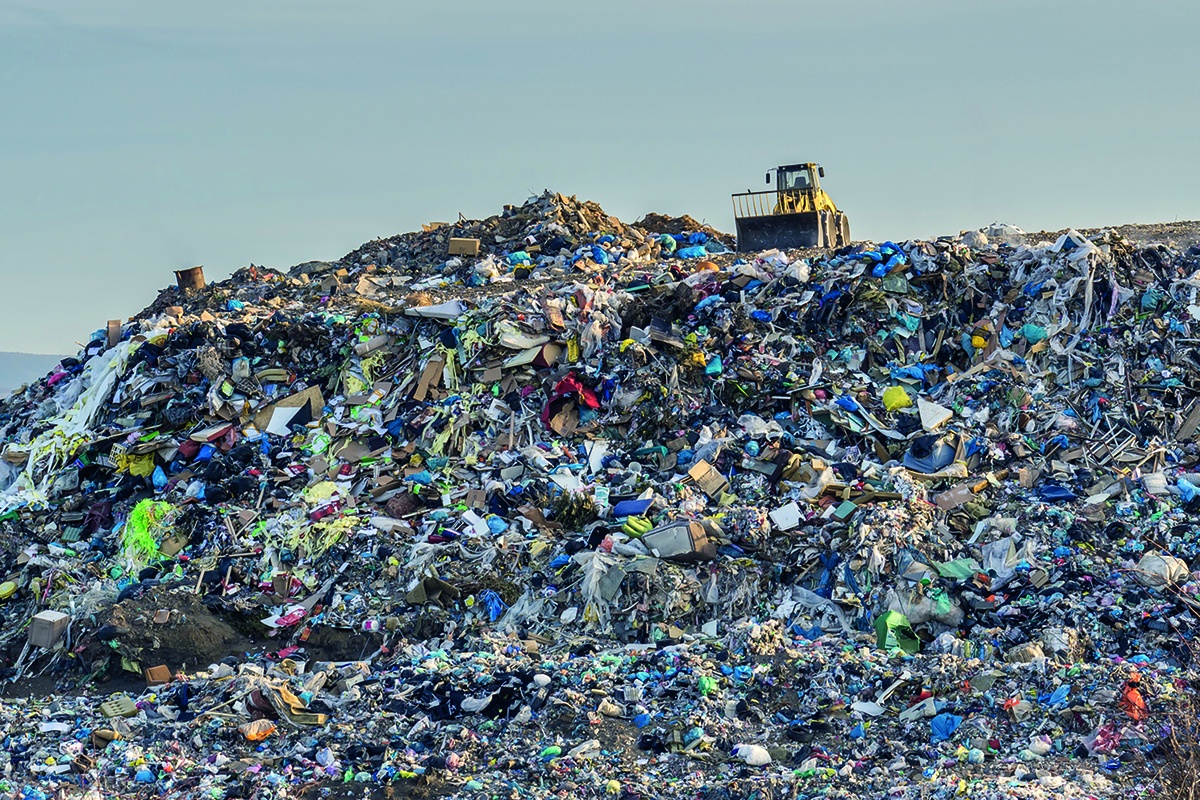
Stressing the need for a collective effort, Rose adds: “Waste is one of the biggest challenges in our industry, especially given the temporary nature of many events. At Moss, we’ve implemented a zero-to-landfill policy and achieving this has involved many changes in how we manage materials from the initial design phase right through to the end of an event.
“We’ve found that reducing waste isn’t just about being more efficient, it’s often about rethinking how we do things altogether. For instance, our rental service offers a ‘reuse and recycle’ option for premium banners and fixings, reducing unnecessary waste and lowering the carbon footprint. When compared to a traditional purchased system used twice, renting a 10x4x1.5m hanging box banner can reduce the total embodied carbon by approximately 33%.
“Another area of focus has been minimising the carbon emissions associated with transportation. Wherever possible, we use local suppliers and crews, which not only supports local economies but also reduces the environmental impact of our operations. Thinking carefully about where materials come from and how they’re transported is something that can benefit all of us, and we’re always open to discussing how others can implement similar strategies.
Rose points to that fact that the events and exhibitions industries are facing increasing pressure to adopt sustainable practices. “This isn’t just about meeting regulatory requirements or responding to client demands, it’s about recognising that sustainability is a shared responsibility. No one company can achieve this alone.
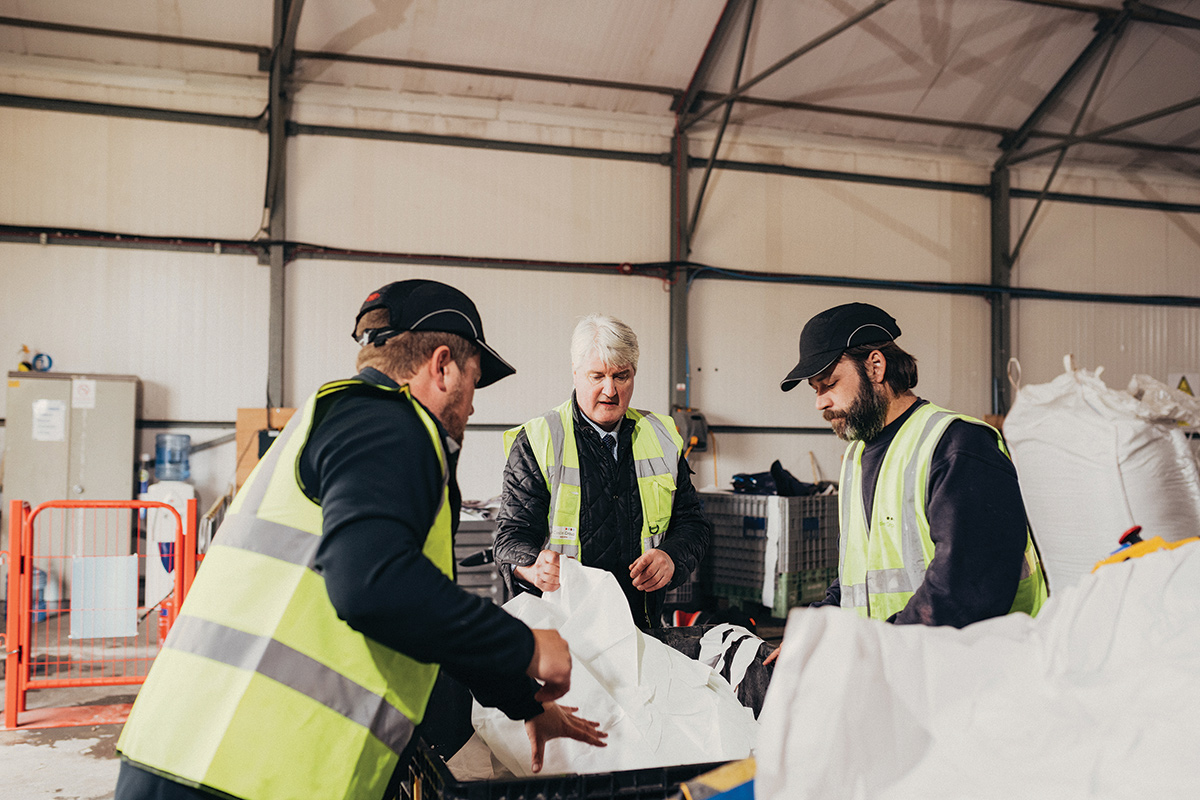
“At Moss, we’re committed to being transparent about what’s working for us and where we’ve faced challenges. For example, our investment in technology has allowed us to optimise our use of materials, reducing waste and improving efficiency. Our ERP system, LIFT, helps us ensure we use the right amount of material for each project, reducing the risk of over-ordering or unnecessary waste. Additionally, we’ve explored creative ways to repurpose materials, such as turning leftover fabric into custom-made tote bags.
“These aren’t just one-off initiatives, they’re part of a broader effort to improve our practices continuously and share what we’ve learned with others. We believe that by working together, the entire industry can make significant strides in reducing its environmental impact.
“Sustainability isn’t just about reducing environmental impact – it’s about ensuring the future viability of our businesses. Clients are increasingly looking for partners who share their commitment to sustainability, and companies that don’t adapt risk being left behind. By integrating sustainable practices into our operations, we’re not just doing what’s right for the planet, we’re also making our businesses more resilient and better positioned to meet the demands of the future.”