 There have been recent reports of people suffering from life-changing injuries caused by print and finishing machines, this serves as an important reminder of the need for effective machinery safety measures across the print and packaging industry.
Machinery-related accidents can have devastating consequences for employees, their families and businesses.
Behind every serious workplace injury is a person whose life may be changed forever, affecting not only their ability to work but also their health, independence and family life.
However, many of these incidents can be prevented through appropriate risk assessments, effective guarding, training and safe working practices. The information below can help businesses look at managing machinery safety and risk.
Machinery risk assessments
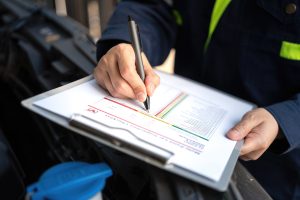
Machinery risk assessments should be more than a paperwork exercise. Their purpose is to identify hazards, evaluate risks and determine the measures needed to protect employees.
Assessments should consider all stages of machinery use, including normal operation, cleaning, maintenance, adjustments and clearing blockages, when employees may be exposed to additional hazards. They should also be reviewed when equipment, processes or working practices change, or following incidents and near misses.
Importantly, machinery risk assessments must be undertaken by someone with the necessary knowledge, skills and experience to recognise hazards and identify suitable control measures. However, identifying risks is only the first step. The findings must lead to practical action to ensure employees are protected.
Hierarchy of controls
An effective approach to machinery safety involves applying the hierarchy of controls, prioritising measures that eliminate hazards or physically prevent employees from coming into contact with dangerous machinery.
Where possible, hazards should be eliminated through changes to equipment or processes. Where elimination is not reasonably practicable, risks should be reduced through engineering controls, such as fixed or interlocked guards and safety devices.
These physical safeguards are particularly important because they do not rely solely on employees remembering instructions or following procedures.
Training, supervision and safe systems of work remain essential but they should support physical safeguards rather than replace them.
Personal protective equipment may also be necessary for certain residual risks, although it should not be relied upon as the primary protection against dangerous moving parts.
Machine guarding
Machine guarding is one of the most important measures for preventing injuries involving moving machinery.
Guards and protective devices should be suitable for the equipment and hazards involved, correctly installed, regularly inspected and properly maintained. They must prevent access to dangerous parts and should never be deliberately bypassed or removed.
Particular attention should be given to activities such as cleaning, setting and fault-finding, where employees may need to work close to hazardous parts. Appropriate safeguards and safe isolation procedures are essential to preventing serious injuries.
Competence and training
 Even where effective engineering controls are in place, employees must understand the risks associated with the machinery they operate.
Training should ensure employees know how to use equipment safely, understand the purpose of guards and safety devices, recognise hazards and follow the correct procedures when something goes wrong.
Non-routine activities, including maintenance, adjustments and clearing blockages, can present additional risks. Machinery must be safely isolated from relevant energy sources where required, with procedures in place to prevent unexpected start-up or movement.
Training should be supported by effective supervision and refreshed when necessary. Employees should also feel confident raising safety concerns or stopping work where there is an immediate risk of injury.
Warning signs
Preventing serious accidents also means recognising and acting on warning signs before someone gets hurt.
Damaged guards, defective safety devices, unsafe practices and near misses should be investigated promptly with appropriate corrective action taken.
Employees who work with machinery daily can provide valuable insight into how equipment is actually used and where risks may arise.
Involving them in risk assessments and encouraging open discussions about safety can help identify hazards that might otherwise be missed.
Regular inspections, preventative maintenance and effective reporting arrangements help ensure safety measures remain effective.
Legal responsibilities
Under the Provision and Use of Work Equipment Regulations 1998 (PUWER), employers have duties to ensure work equipment is suitable for its intended use, properly maintained and provided with appropriate safeguards. Employees must also receive adequate information, instruction and training.
The Management of Health and Safety at Work Regulations 1999 require employers to undertake suitable and sufficient risk assessments and implement appropriate preventative and protective measures.
Meeting these responsibilities is not simply about having documentation in place. Employers must ensure risks are effectively controlled and that safeguards continue to protect employees in practice.
Machinery safety is an ongoing responsibility, and businesses should regularly consider whether their existing arrangements remain effective.
BPIF support
If you are unsure whether your machinery is adequately safeguarded, whether your existing risk assessments remain suitable, or your business does not have access to a competent person to undertake these assessments, contact the BPIF HS&E team for advice and support.
Taking action now can help identify risks before they result in serious injury, protect your employees and ensure your business is meeting its health and safety responsibilities.
Taking a proactive approach to machinery safety today could prevent a life-changing injury tomorrow. Ultimately, it is about making sure everyone returns home safely at the end of their working day.
The BPIF can support companies with managing risk, conducting risk assessments and applying safety measures to ensure compliance. For more information contact us on businessservices@bpif.org.uk.