We speak to Jamie Reader, commercial and operations manager at Granthams GT, to understand what considerations should be taken when investing in new kit.
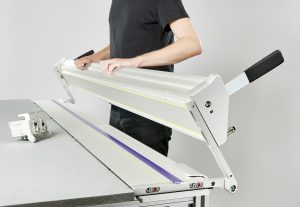
Keencut Evolution3 SmartFold
In large-format print, it’s easy to get caught up in the idea that newer is automatically better. In reality, the most valuable machine in your workshop is the one that reliably delivers what your customers need.
That said, there are very real reasons businesses choose to upgrade, and from what we see day to day, upgrades usually come down to three things: Expanding what you can offer, increasing output, or reducing risk.
Expanding capability
For many businesses, upgrading is about being able to say yes to more work.
New features can unlock entirely new revenue streams. Adding white ink opens up applications like window graphics and layered prints. Different curing technologies can allow for instant handling and faster turnaround. Wider media compatibility can also bring new product lines into reach.
Increasing output
Growth is another major driver. Faster machines don’t just produce prints quicker – they create capacity. That might mean taking on more work, hitting tighter deadlines, or offering services you previously had to turn away.
Cost is also part of this conversation. Ink, maintenance, and reliability all contribute to the true cost of ownership. Newer machines can often offset their initial cost through efficiency and reduced downtime – but not always. It depends on how they’re used.
Reducing risk
Sometimes the decision is less about growth and more about stability.
Running unsupported equipment carries risk. A new machine with warranty and reliable backup can remove a lot of that uncertainty and give you confidence in your production.
When something goes wrong, support becomes the priority very quickly. New equipment typically comes with warranty cover and access to trained engineers, helping to minimise downtime – which is critical when deadlines are tight.
Manufacturers will prioritise customers with active warranty cover, so if you’re running older or unsupported equipment, it’s worth factoring in potential delays or the need for third-party support.
Don’t overlook finishing
It’s natural to focus on the printer, but finishing is often where time is won or lost.
Simple additions like a good bench-mounted trimmer or multi-purpose applicator table can improve efficiency and consistency, particularly as volumes grow. Surprisingly, lamination is sometimes overlooked too, but it’s still essential for many outdoor and long-term applications.
If you’re investing in new print capability, make sure the rest of your workflow can support it (and that should include your IT set-up/software too).

Making the comparisons between what you need and the technology on offer
Looking at the bigger picture
It’s important to recognise that no two print businesses run exactly the same, and even identical machines can behave differently depending on setup, materials, and what they’re being asked to produce.
We still work with customers running older machines because they suit a specific job or client perfectly – and we’re not in the business of making empty promises that the latest model will replicate that output exactly.
In reality, no new machine will produce identical results to its predecessor – they’re upgrades, for a reason, after all. With that in mind, sticking with a particular brand purely to mirror what you already have doesn’t always matter as much as people think.
Modern systems share more similarities than ever, so it’s worth being open and willing to explore similar options to find the best fit for your workflow and future plans.
Making the right call
Upgrading isn’t about chasing the latest model – it’s about making a decision that supports your business.
If that means investing in new equipment, it should be because it helps you grow, improve efficiency, or gives you more confidence in production. If not, there’s often more you can get from what you already have.
We work with customers on both sides of that decision – whether it’s identifying the right time to upgrade or getting more from an existing setup. The goal is simple: Making sure your equipment is working for you, not the other way around.